Yosef Sokol, PhD
Dr. Yosef Sokol's research lies at the intersection of identity, recovery, and suicide-related symptoms. His work focuses on how deficits in personal identity, and in particular in 'future self-continuity,' a sense of the self-persisting into the future, relate to the development of and recovery from suicidal thoughts and behaviors. The lab pursues this question along two connected lines, one that builds treatment and one that improves measurement.
His research findings led him to develop Continuous Identity Cognitive Therapy (CI-CT), a recovery-oriented treatment for Veterans with a recent episode of acute suicidal symptoms. An open-label pilot of CI-CT was published in Contemporary Clinical Trials Communications (2025), and the lab is preparing for a larger multi-site clinical trial. Dr. Sokol is also the Principal Investigator of "Who Recovers?", a longitudinal study funded by the American Foundation for Suicide Prevention that follows individuals after a suicidal episode to examine what distinguishes those who go on to achieve personal recovery from those who do not.
The lab's second line of research addresses the use of AI to enhance psychological science and clinical care. One avenue of this line includes a focus on measurement. Self-report questionnaires capture only part of what a person thinks and feels, and the individuals at highest risk are often the least willing to disclose. Dr. Sokol has therefore developed computational methods that assess psychological constructs from natural language, studying what people say about their futures in their own words and scoring these narratives with large language models. A 2026 study in the Journal of Personality Assessment validated this computational approach for future self-continuity against standard questionnaires. In ongoing longitudinal research, features of individuals' future narratives were associated with suicidal ideation eighteen months later, including among many individuals a standard risk questionnaire had rated as low risk.
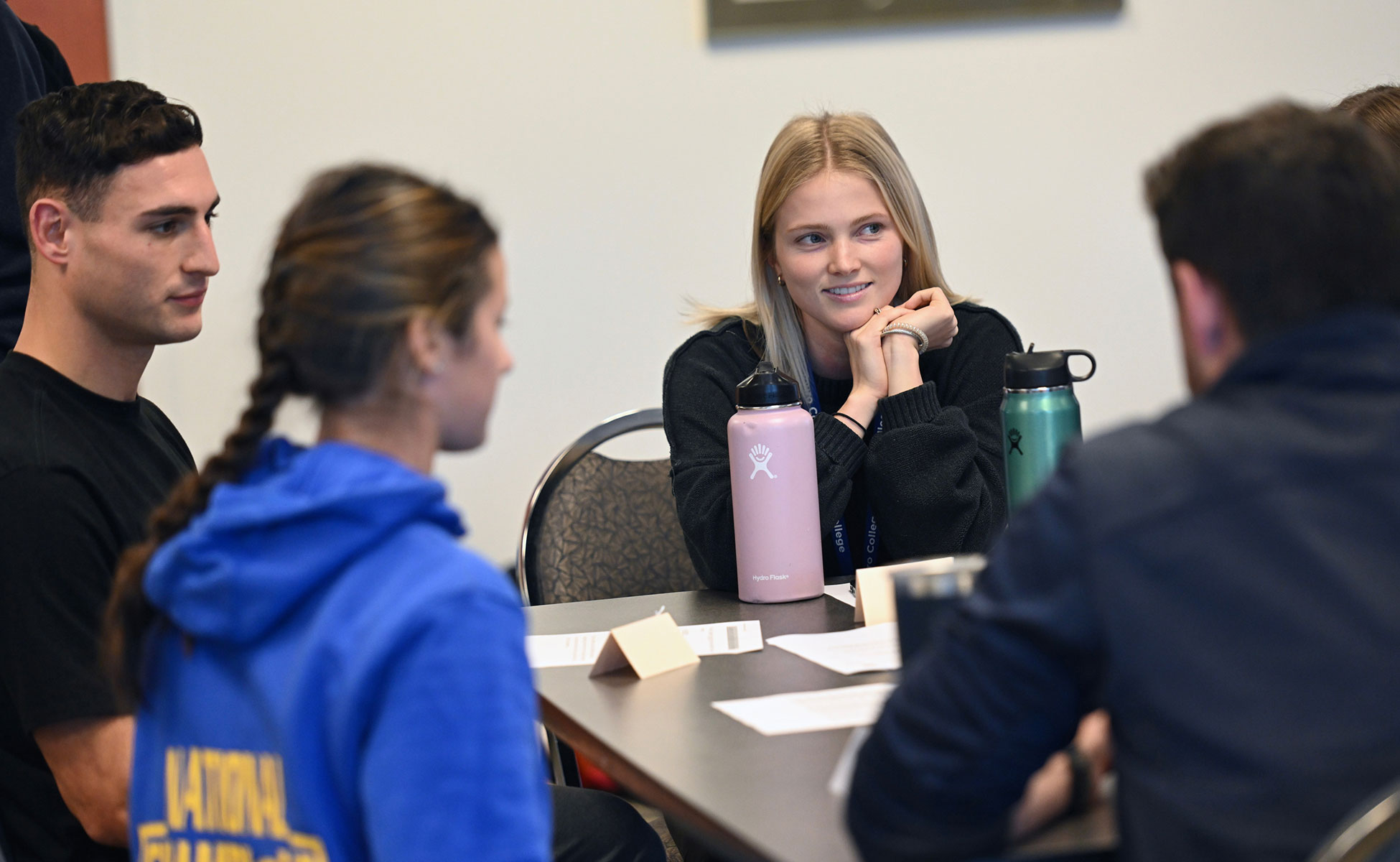
PsyD and MA students in the lab take on research roles, including interviewing study participants, supporting and rating therapy sessions, coding recovery narratives, and co-authoring papers and conference presentations. Students interested in AI and language-based assessment are welcome to join our work as well. No technical background is assumed.
