Meira L. Orentlicher, PhD, OT, FAOTA, CRA
The Pathways to Participation Lab explores how individuals, families, and communities navigate life transitions and create meaningful opportunities for participation and engagement in meaningful activities. It examines the personal, social, educational, and environmental factors that influence meaningful participation in school, work, family, and community life. The lab is grounded in the belief that participation and engagement are essential components of health, well-being, and quality of life.
The lab focuses on understanding how people experience periods of change and transition and what skills and supports help them thrive during those transitions. Whether navigating the transition from school to adult life, relocating as part of a military family, or adapting to a new country, individuals often encounter barriers and opportunities that shape their participation and engagement in meaningful activities. The Pathways to Participation Lab seeks to identify those factors and generate practical knowledge that informs policy, practice, and education.
Research in the lab spans four interconnected areas:
- Life Transitions and Development
- School-to-adult-life transition
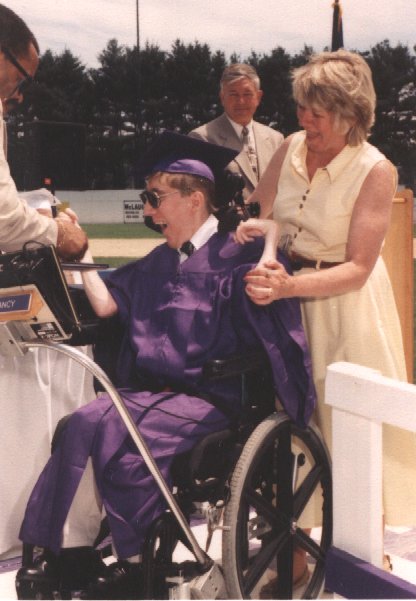
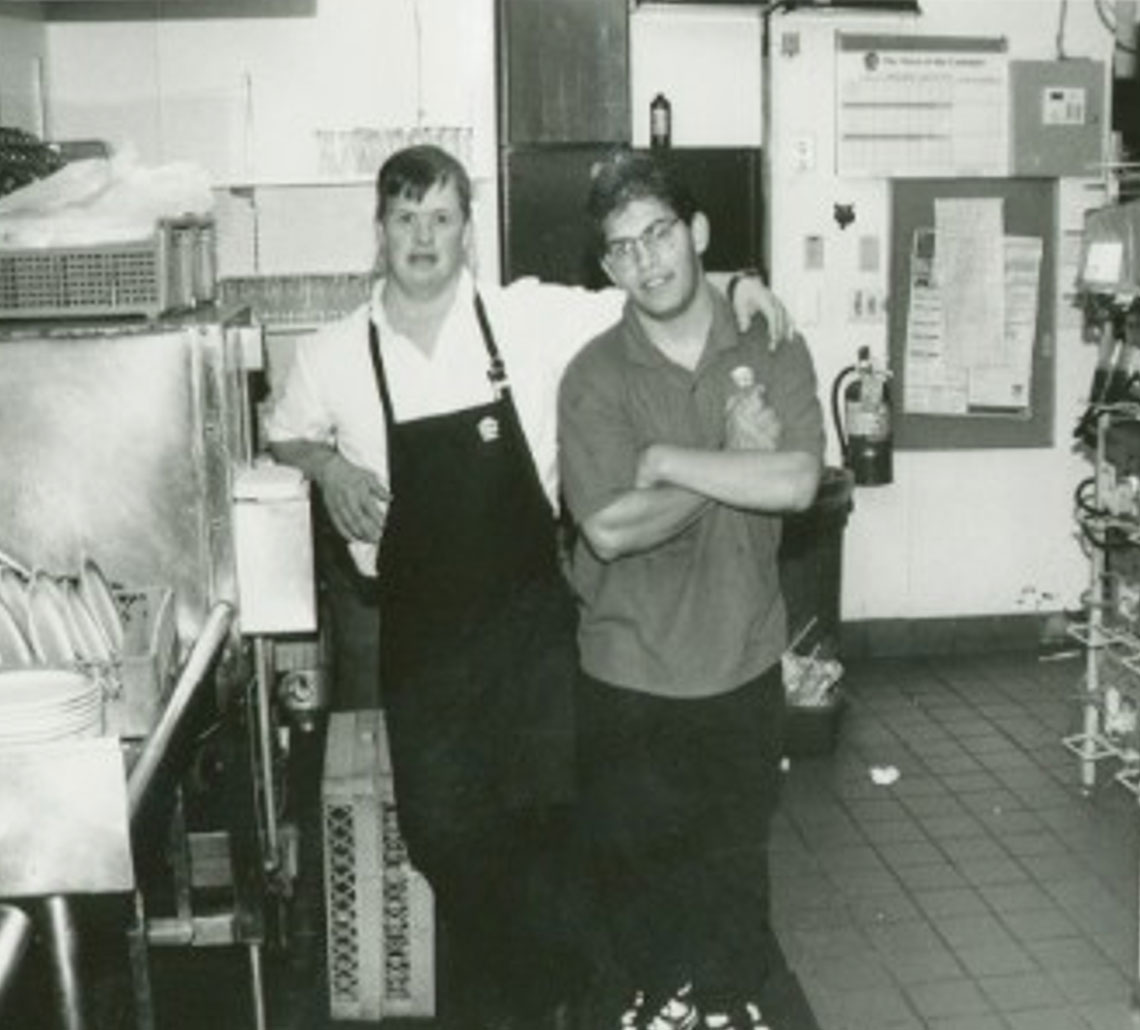
- Postsecondary education, employment, independent living, and community participation specifically for young adults with disabilities
- Self-determination, person-centered planning, and self-directed disability programs
- School-Based Practice for Related Services Providers (under IDEA) and Specialized Instructional Support Personnel (SISP; under ESSA)
- School-based interventions and supports and student success
- Multi-Tiered Systems of Support (MTSS)
- Transition preparation and skill building from early childhood to adulthood, or K-12
- Interprofessional collaboration
- Family-school-community partnerships
- Military-Connected Families & Professionals
- Experiences of military-connected families, especially those related to relocation, mobility, and community connections
- Supports and programs to foster adaptation, well-being, and engagement during periods of change and loss
- Professional identity, career development, workforce experiences, and well-being of military-affiliated healthcare professionals
- Transitions into and out of military service among healthcare professionals
- The Immigration Experience in Academia
- Immigrant experiences, career development, and professional growth of immigrants in academic settings
Participatory Action Research
A defining feature of the Pathways to Participation Lab is its commitment to participatory action research (PAR) and community-engaged scholarship. The lab embraces the principle that individuals possess expertise that is essential to understanding their lived experiences and addressing challenges that impact participation and engagement. Rather than conducting research on people, the lab seeks to conduct research with them. Through collaborative partnerships, individuals, families, and community members help identify research priorities, shape research questions, interpret findings, and develop solutions that are relevant and meaningful to their lives.
Student Mentorship and Research Training
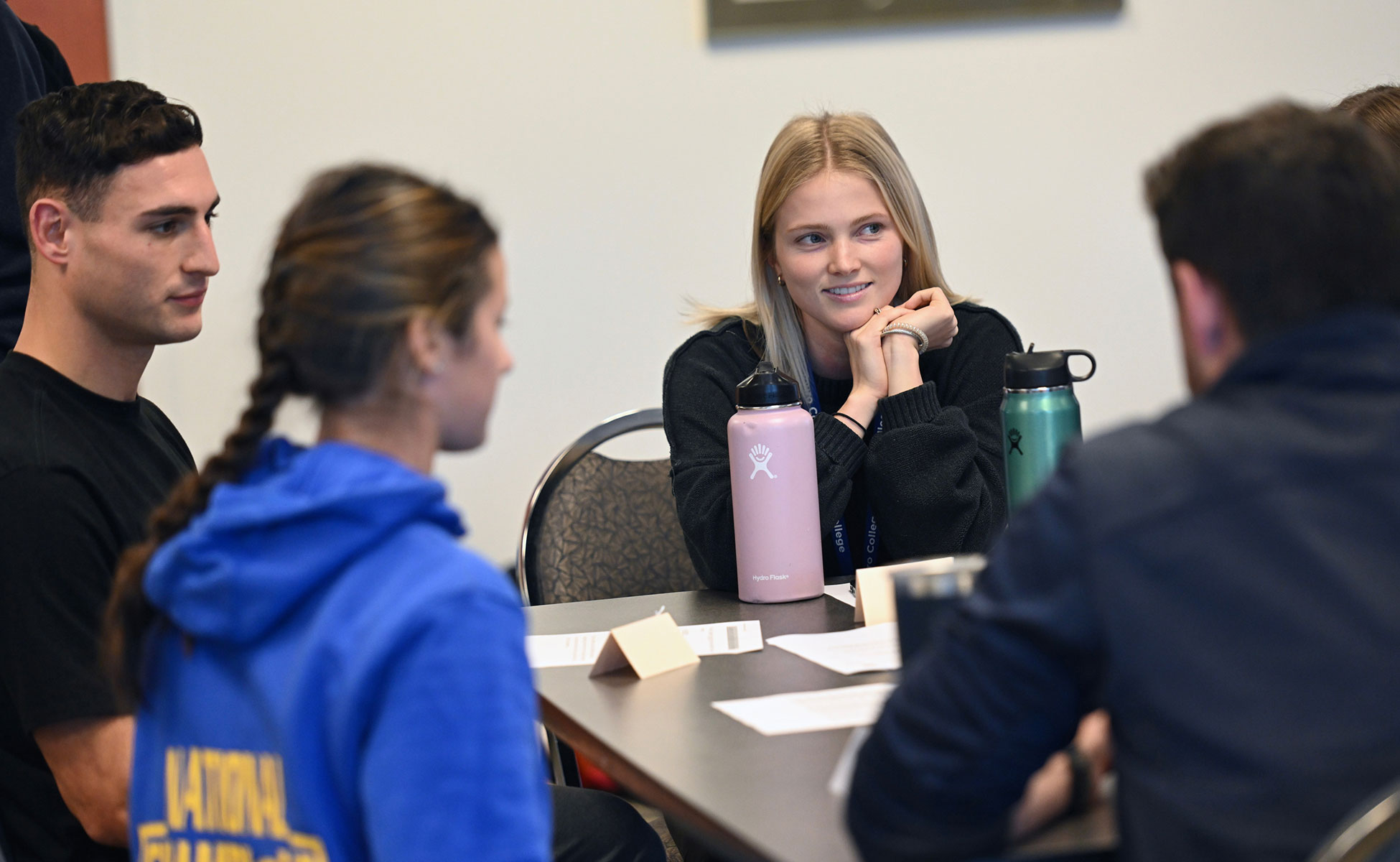
The Pathways to Participation Lab seeks to cultivate the development of the next generation of scholars, practitioners, and leaders who are prepared to make meaningful contributions to their professions, communities, and society. The lab provides a collaborative environment where students are actively engaged in all phases of the research process. Students in the lab are viewed as developing colleagues and contributors and are encouraged to pursue research questions that align with both the broader mission of the lab and their own personal and professional interests. Through individualized mentorship, students develop skills in research design, literature review, participatory-action and community-engaged research, data collection and analysis with emphasis on naturalistic or qualitative designs, scholarly writing and presentations.
The lab values interdisciplinary collaboration and welcomes students from various disciplines and degree programs with diverse backgrounds, experiences, and perspectives who value research as a tool for positive change. Students have opportunities to work alongside faculty, community partners, practitioners, self-advocates, families, and other stakeholders while gaining experience in both traditional and participatory research approaches.
